
IndustrialFor job seekers6 min read
Forklift Licence UK: How to Get Trained and Hired
Search for a forklift licence and you will find a hundred course adverts. Here is the bit most of them skip: in the UK there is no such thing as a forklift licence. What you get is a certificate, and what gets you hired is knowing what to do with it.
- There is no government forklift licence. You earn a certificate of basic training.
- Choose a course accredited by a recognised body such as RTITB, ITSSAR, AITT or NPORS.
- Counterbalance and reach are separate certificates. Many warehouses want both.
- Your employer must still train you on their site and authorise you in writing.
Is there a forklift licence in the UK?
No. The Health and Safety Executive says it plainly: there is no such thing as a lift-truck licence. Nothing is issued by the DVLA and there is no card you must carry by law.
What employers call a forklift licence is a certificate of basic training. It shows you have been trained and tested on a type of truck by a qualified instructor. Everyone still calls it a licence, including the job adverts, so you will see both words used.
Which forklift certificate do you need?
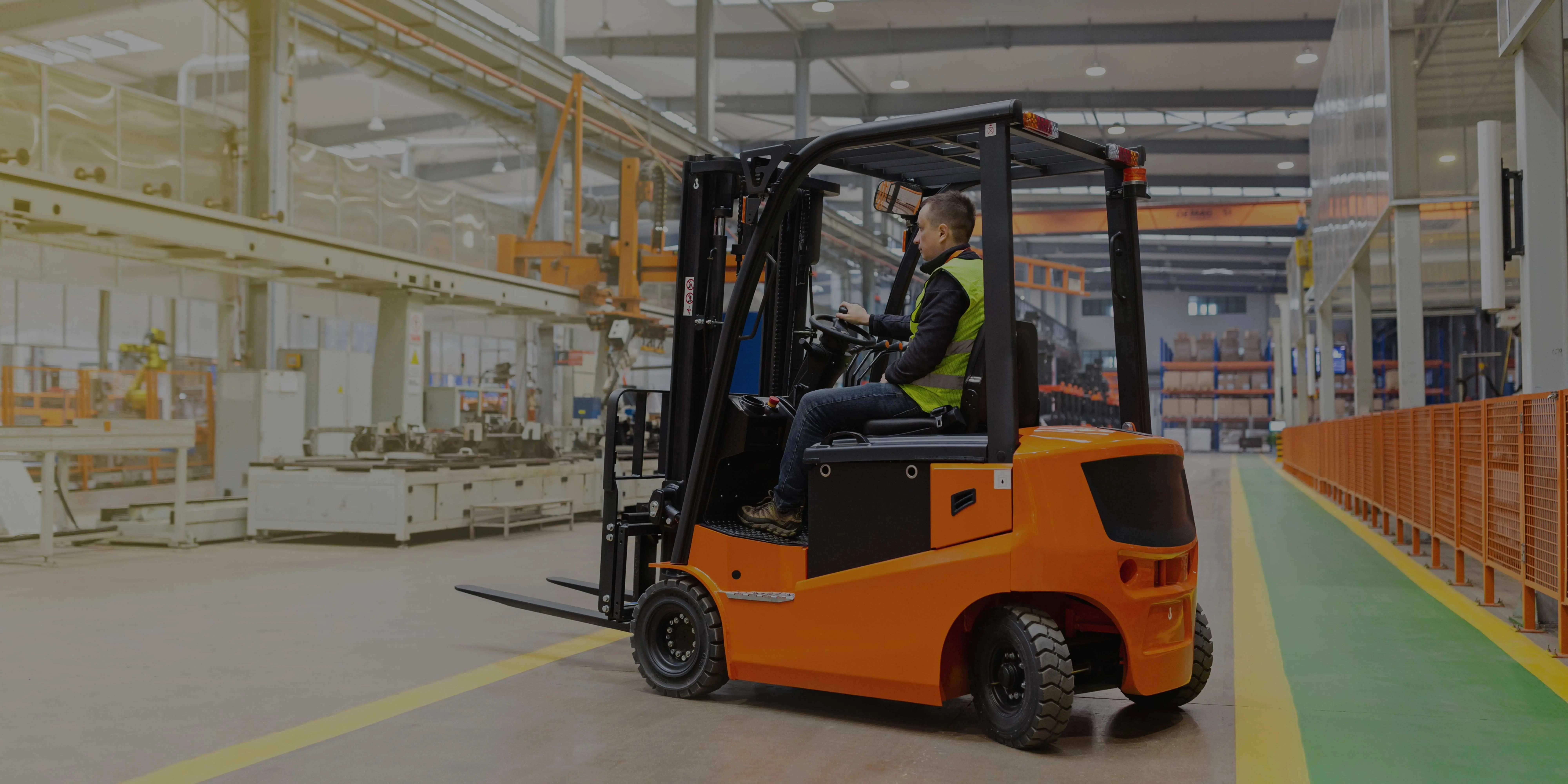
Certificates are tied to the type of truck. These are the ones that come up most in warehouse and production jobs.
| Truck | Where it is used | Good to know |
|---|---|---|
| Counterbalance | Loading bays, yards, production lines | The most common starting point |
| Reach truck | High racking in narrow warehouse aisles | Often asked for alongside counterbalance |
| Pivot steer (Bendi, Flexi) | Very narrow aisle warehouses | A useful extra once you have experience |
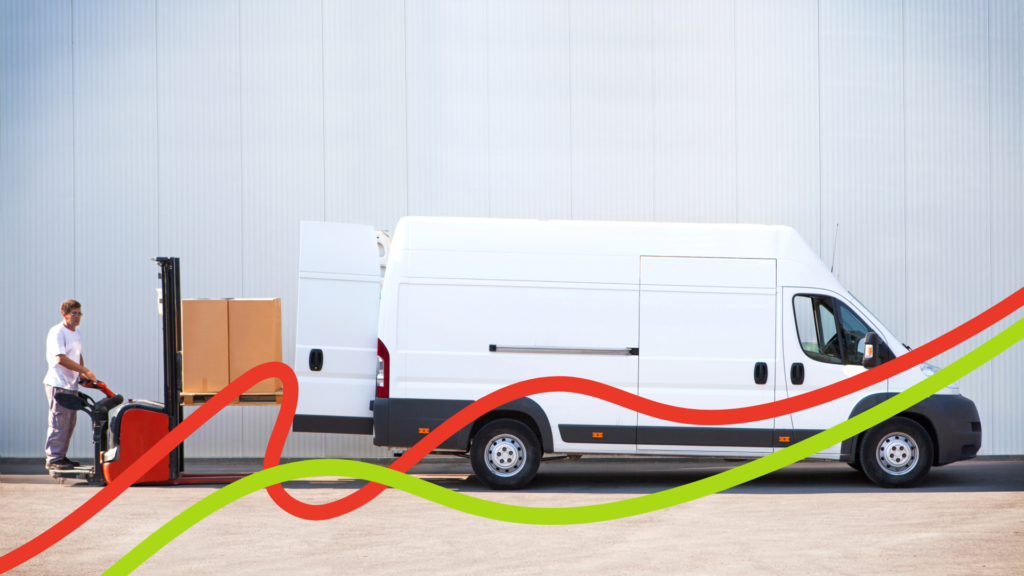
| Powered pallet truck | Goods in, loading, order picking | A short course and a good first ticket |
If you are starting from nothing, counterbalance is usually the one to go for. Add reach when you can. Having both opens up far more forklift driver jobs.
How to get your forklift certificate
- Pick a training provider accredited by a recognised body. RTITB, ITSSAR, AITT and NPORS are the names you will see most.
- Book a novice course if you have never driven a truck, or a refresher or conversion course if you have.
- Complete the training. It mixes classroom theory with practical driving.
- Pass the tests: a theory paper, a pre-use check and a practical driving test.
- Keep your certificate safe. Employers and agencies will ask for a copy.
A beginner course typically takes three to five days, depending on the truck and how many people are on the course. Refresher and conversion courses are shorter.
Ask the training provider which accrediting body they are registered with and check it on that body’s website. A cheap certificate nobody recognises will not get you through the door.
How old do you have to be?
You need to be over the minimum school leaving age, which means 16 for most workplaces. In ports the minimum is 18. You do not need a car driving licence to operate a truck on private premises, although you do need one to drive a truck on the public road.
What happens when you start a job
Your certificate is stage one of three. HSE guidance (the L117 code of practice) sets out basic training, then specific job training, then familiarisation at the workplace. Your new employer has to cover the second and third: their trucks, their loads, their site rules.
They should then authorise you in writing to operate. This is normal and it applies to agency drivers too. If a site hands you the keys with no induction at all, treat that as a warning sign.
Does a forklift certificate expire?
There is no fixed legal expiry date. HSE guidance leaves it to employers, and suggests that refresher training or a retest every three to five years is a sensible approach. Many sites set their own rule, often three years. If your certificate is older than that, expect to be asked for a refresher.
How to get forklift driver jobs
A fresh certificate gets you on the list. These are the things that move you up it.
- Experience on a named truck type. Say counterbalance or reach, not just forklift.
- A clean safety record and a habit of doing pre-use checks properly.
- Flexibility on shifts. Nights and weekends are where the demand is.
- Other warehouse skills: picking, loading, scanners, stock checks.
- Turning up, on time, every time. It sounds obvious. It is what sites remember.
If you are newly trained, temporary work is the fastest way to build hours on a truck. Warehouses take on extra forklift drivers through busy periods, and a good temp often gets asked to stay.
Licence sorted? Let’s get you working.
Forklift drivers are wanted across the UK. Here is why so many register with DROPP.
Got your licence? Get in touch your way.
Register online, message us on WhatsApp, give us a ring or send your CV, and a consultant will get back to you.
Pop your details in and attach your CV. It goes straight to our registrations team and we will be in touch.
Forklift licence UK: quick answers
Is there a forklift licence in the UK?
No. The HSE states there is no such thing as a lift-truck licence. Operators receive a certificate of basic training from an accredited training provider.
How long does forklift training take?
A beginner course typically takes three to five days depending on the truck type and group size. Refresher and conversion courses are shorter.
Does a forklift certificate expire?
There is no legal expiry date. HSE guidance suggests refresher training or a retest every three to five years, and many employers set their own interval.
Do I need a driving licence to drive a forklift?
Not on private premises. You do need the right driving licence to take a lift truck on the public road.
What is the difference between counterbalance and reach?
A counterbalance truck carries the load in front and suits yards and loading bays. A reach truck works in narrow aisles and lifts to high racking. They need separate training.
This guide is general information, not legal advice. Rules change, so check the current official guidance before you act on it.